Choose whole fruit for visible blends or define a buyer-specific cut/piece requirement for sachets and processing.
Tea and infusion ingredients
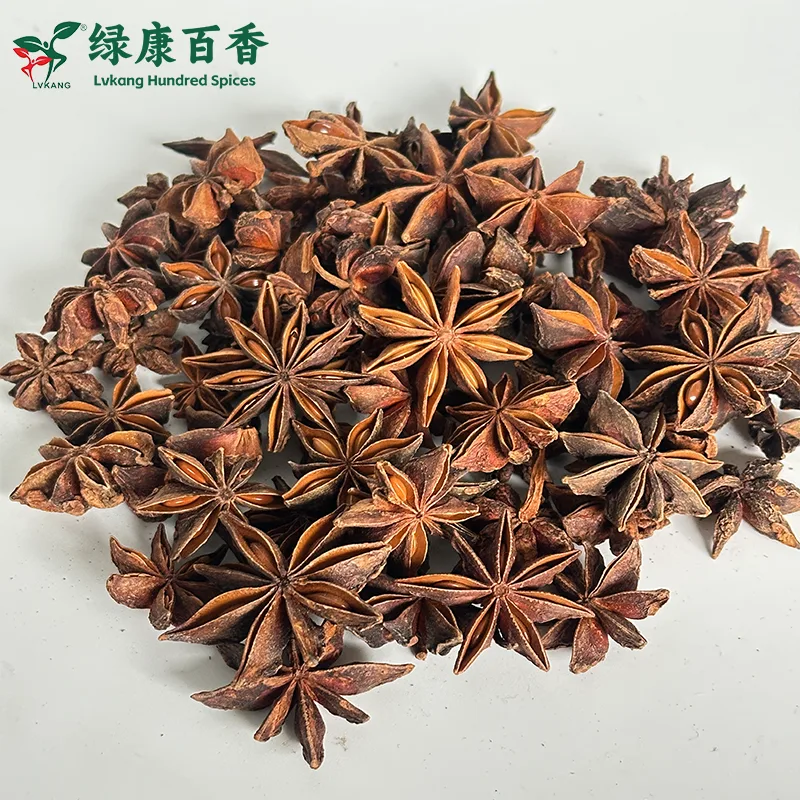
Organic Star Anise for Tea & Infusion Buyers
Tea and infusion buyers may care about both visual presentation and extraction in hot water. Product form, botanical identity, aroma, cleanliness and pack protection should be evaluated together.
Purchasing priorities
Three decisions to make first
Assess aroma and infusion performance in the buyer’s own recipe and serving conditions.
Confirm the destination organic system, residue limits, microbiology and any treatment restrictions before testing.
Match form to the finished product
Whole stars can provide a recognisable premium appearance in loose blends, while broken pieces may be more practical where material is portioned, filtered or further cut. Pack dimensions and target dosage also influence the usable form.
Evaluate the actual infusion
A dry visual inspection cannot predict every recipe outcome. Prepare the sample using the intended water temperature, contact time and blend ratio; compare aroma, flavour balance, colour and filtration behaviour against the retained reference.
Protect volatile aroma
Use packaging that limits moisture exchange and aroma loss. Confirm inner liner, closure, headspace, net weight and secondary carton based on transit, warehouse and packing-line conditions. Final shelf-life claims should follow the buyer’s product validation rather than a generic website promise.
Keep claims document-led
Organic wording and logos require current certification scope and destination-market label approval. Lvkang can review available certificates and product documents for the quoted project, while the brand owner remains responsible for the final finished-product label.
Questions buyers ask
Do you supply a fixed tea-bag cut?
Piece-size or cut requirements are evaluated against the buyer’s specification and feasible processing.
Can I test an infusion sample first?
Yes. Explain the blend and evaluation purpose so the sample basis can be agreed.
Continue research