Write Illicium verum Hook. f. together with the commercial crop and form.
Botanical identity
Illicium verum: Identity First in Star Anise Procurement
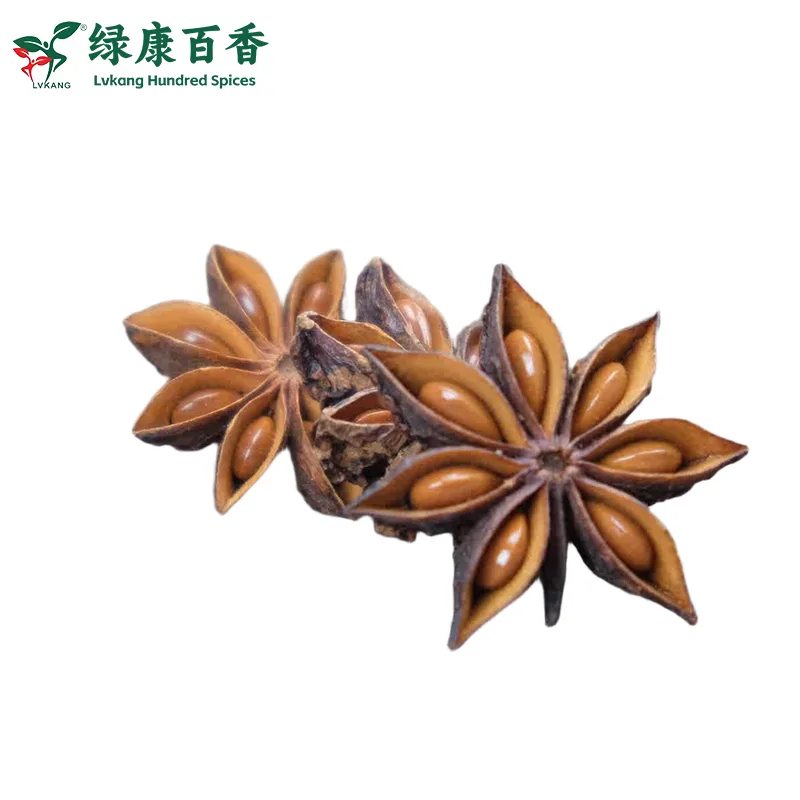
“Star anise,” “anise” and “anise seed” are not interchangeable purchasing descriptions. The contract should identify the required botanical material as dried fruit of Illicium verum.
Purchasing priorities
Three decisions to make first
Anise seed normally refers to Pimpinella anisum, a different plant and product.
Agree visual, documentary and, where required, analytical authentication appropriate to the buyer’s risk assessment.
What the buyer is purchasing
Commercial star anise is the dried fruit of Illicium verum. The botanical name helps procurement, quality and laboratory teams align the purchase order, specification, COA and label.
Why common names create risk
“Anise,” “aniseed” and “star anise” can be used loosely in commerce. A product title may also omit crop and physical form. Complete wording prevents the supplier and buyer from evaluating different materials under similar names.
Write a usable identity clause
Include botanical name, plant part, origin, crop/form, treatment status and required authentication. Define how non-conforming foreign material is handled and whether the buyer requires a species statement or analytical method.
Connect identity to lot traceability
The approved sample, intake record, production lot, packing lot and export documents should refer to the same product identity. Lvkang reviews available documentation against the confirmed project.
Questions buyers ask
Is star anise the same as anise seed?
No. Star anise is Illicium verum fruit; anise seed commonly refers to Pimpinella anisum.
Can a photograph prove botanical identity?
A photograph is useful for screening but may not satisfy every buyer’s risk assessment or analytical requirement.
Continue research