Note supplier, product name, crop/form, sample date, offered lot or reference, and intended project.
Sample approval workflow
How to Evaluate a Star Anise Sample Before Ordering
A sample is useful only when its relationship to the offered lot is clear and the buyer evaluates it against written acceptance criteria and the intended application.
Purchasing priorities
Three decisions to make first
Check identity and appearance, sensory quality, process performance and required laboratory criteria.
Seal and label an approved reference; connect it to the specification, purchase order and claim rules.
Begin with identity and condition
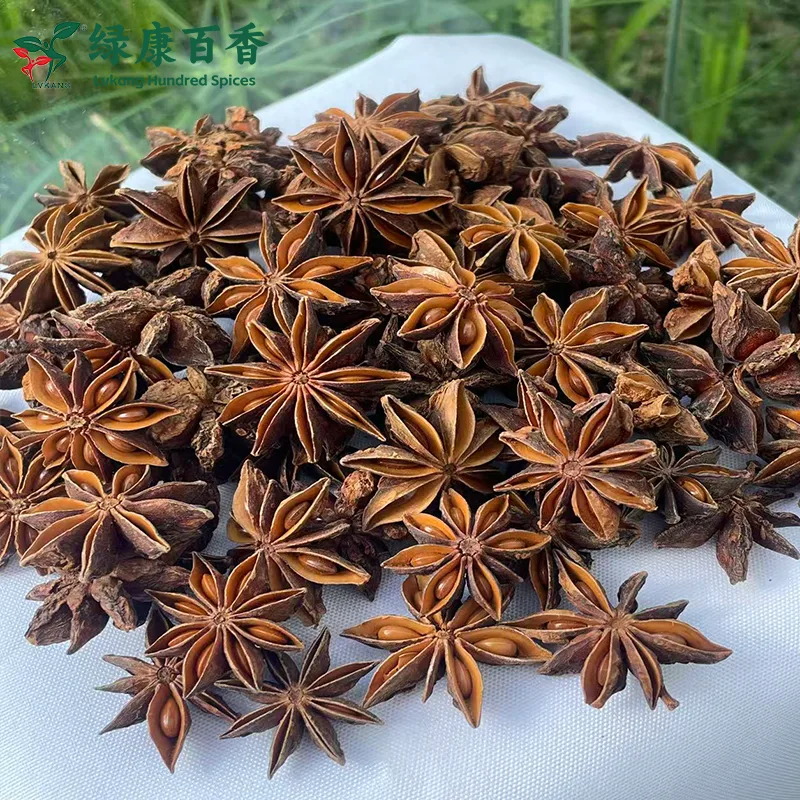
Confirm Illicium verum, crop/form, colour, pod fullness or piece size, broken ratio, stems, visible foreign matter, insects, mould signs and unusual odour. Photographs should be taken under consistent lighting.
Test the real application
Infuse, cook, grind, blend or extract the sample using the buyer’s intended conditions. Record dosage, time, sensory result, filtration or milling behaviour and comparison to the current approved material.
Plan representative laboratory testing
Define sampling, methods and limits for moisture, foreign matter, microbiology, pesticide residues, contaminants, treatment markers or relevant chemistry. The test plan should follow destination rules and the buyer’s risk assessment.
Approve conditionally and traceably
State whether approval is visual, sensory, application-based or laboratory-complete. A small sample cannot represent unlimited future crops, so require the commercial lot to match the agreed specification and reference.
Questions buyers ask
Is a product photo enough to approve a lot?
No. Photos support screening, but representative samples, written limits and required tests provide a stronger basis.
Should the buyer retain an approved sample?
Yes. A sealed, labelled reference can support incoming comparison and dispute prevention.
Continue research