Specify Illicium verum, crop identity, origin and the documentation or testing basis required by the project.
Extraction raw material
Bulk Star Anise for Extraction Programs
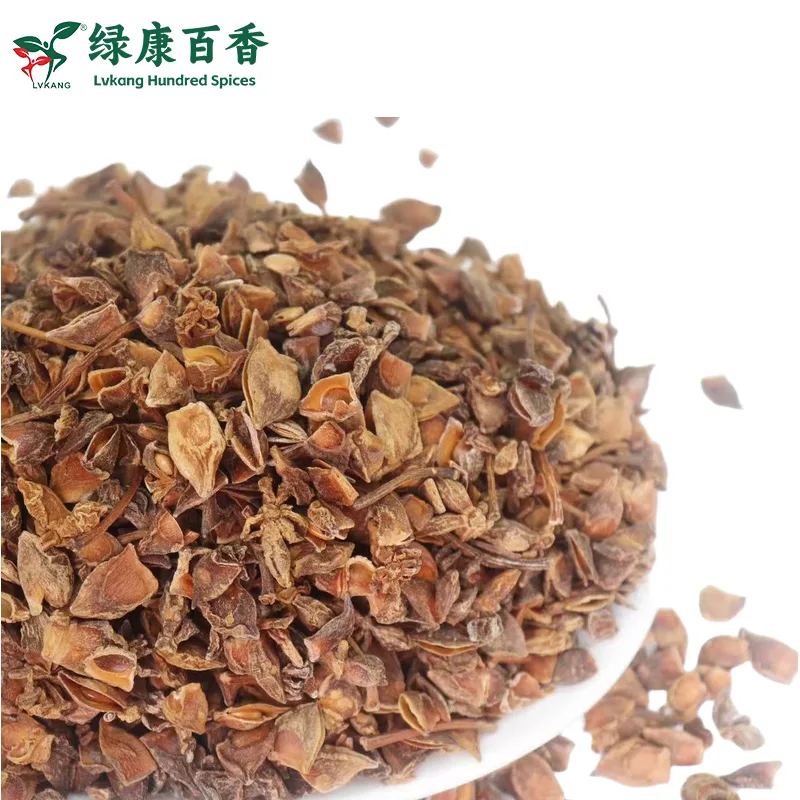
Extraction buyers should prioritise identified raw material, usable form, lot-specific chemistry and process-relevant limits. Decorative whole-fruit appearance may be less important than conversion performance.
Purchasing priorities
Three decisions to make first
Whole fruit or broken pieces can be evaluated according to pre-processing, milling and extraction equipment.
Define the required analytes, sampling method, laboratory expectations and acceptance limits before quotation.
Translate the extraction process into a purchase brief
State whether the raw material will be milled before extraction, which physical form is acceptable and which characteristics drive yield or consistency. Avoid paying for visual presentation that the process does not use.
Agree chemistry on a lot basis
Where volatile oil or a specific constituent is commercially important, define the method, unit, acceptance rule and lot sampling plan. Website ranges from unrelated suppliers are not a substitute for the result and contract basis of the quoted lot.
Control identity and treatment
The purchase specification should identify Illicium verum and address prohibited species, foreign matter, treatment, residues, contaminants, microbiology and destination rules relevant to the project. Additional authentication can be agreed where the buyer’s risk assessment requires it.
Build a repeat-supply record
Retain the approved sample, COA and incoming results with the shipment lot. Sharing annual volume and delivery windows supports crop planning, but availability and commercial terms remain subject to written confirmation.
Questions buyers ask
Are broken pieces suitable for extraction?
They may be suitable when the agreed identity, chemistry, cleanliness and processing requirements are met.
Do you guarantee a chemistry value online?
No. Required values and test methods must be agreed and confirmed for the actual lot.
Continue research